What Is SEO? The Essential Guide to Proven Growth
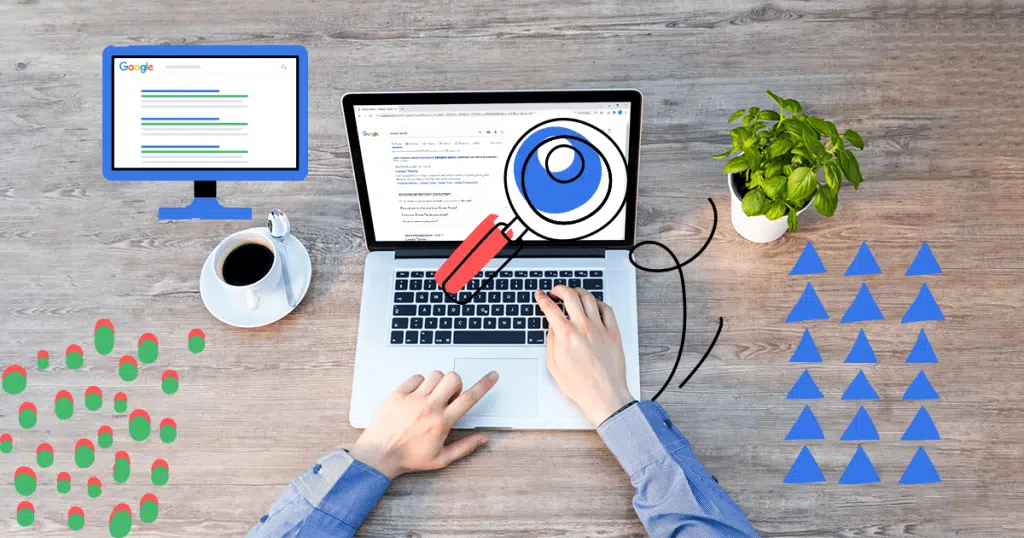
SEO, or search engine optimization, helps your website rank well on search engines through organic (non-paid) searches. Consequently, this is one of the most crucial marketing strategies for any business.
Google always aims to provide a positive user experience for its searchers. Because of this, it wants to present the best possible information available. Therefore, you should focus your optimization efforts on a clear goal. Specifically, make sure search engines recognize your content as the leading information on the web for a particular search query.
How does Search Engine Optimization work?
Search engines use robots to crawl webpages across the internet. In order to determine what content pages contain, these bots scan the code to gather all information possible. For example, they pick up written text, images, and videos.
Eventually, the bots gather enough intel about the types of information on each page. Once they determine this content helps searchers, they add these pages to their index. In short, the index contains all possible web results that a search engine stores for potential searchers.
Why is it important?
In today’s competitive market, this marketing approach is more important than ever. In fact, search engines serve millions of users per day. These people look for answers to their questions or solutions to their problems. As a result, if you have a website, blog, or online store, optimization helps you get free targeted traffic.
It is crucial because:
· Over 70% of search engine users click on the top five results. Therefore, to win traffic and sales, your website must rank at the top of the search engine results pages (SERPs).
High search visibility drives growth in three key areas:
Competitive Edge: Outrank competitors selling identical products. By doing so, you capture more customers and drive higher sales.
Social Promotion: Users discover your site via Google or Bing. Furthermore, these users are highly likely to share your content on social media.
Streamlined Operations: Structured practices improve site architecture. Consequently, this ensures large websites run smoothly.
Technical SEO
The first stage in the optimization process is technical SEO. However, technical SEO has nothing to do with the actual content of a website. It also ignores website promotion methods. Instead, it requires you to configure specific settings. These settings make the job of search engine crawlers easier.
Usually, once you get your technical SEO correct, you may not have to deal with it again. On the other hand, crawling and indexing problems can negatively impact your rankings.
On-page vs. off-page SEO
No one knows exactly what influences search engine rankings the most. Because of this, experts recommend that your SEO strategy contain a variety of tactics. Generally, you can break those tactics down into two categories: on-page and off-page SEO.
On-page SEO refers to the strategies that you implement on your webpages themselves. Specifically, this includes everything from the design and written content to your metadata and alt text. It also covers your sitemap and canonical tags.
Meanwhile, off-page SEO refers to the steps you take outside of your pages. For instance, this includes elements like external links, social posts, and other website promotion methods.
What is the difference between SEO and Digital marketing?
Some people ask me: “Is SEO the same as Digital Marketing?” The simplest answer is that SEO is just one tool in your digital marketing arsenal. Indeed, you can make SEO a part of your overall digital marketing campaign. Typically, a standard campaign includes other elements like social media promotion, PPC, and content strategy.
The benefits of SEO
Search engine optimization serves as a key part of online marketing. After all, users primarily navigate the web through search. Search engines present results in an ordered list. Naturally, the higher a site climbs on that list, the more traffic it will tend to receive.
For example, the number one result captures 40-60% of the total traffic for a typical search query. In contrast, the number two and three results receive significantly less. Ultimately, only 2-3% of searchers click beyond the first page of search results.
Top SEO tools
SEO is a fairly technical discipline. Because of this, it relies on many tools and software to help with optimizing websites.
Below are some commonly used free and paid tools:
- Google Search Console: GSC is a free tool that Google provides. As such, it serves as a standard tool in the SEO’s toolkit. GSC provides rankings and traffic reports for top keywords and pages. In addition, it helps identify and fix on-site technical issues.
- Social media: Most social media sites don’t have a direct impact on SEO. However, they serve as a good tool for networking with other webmasters. Ultimately, these relationships can lead to link building and guest posting opportunities.
Optimizing search traffic: from clicks to conversions
Proper search engine optimization can dramatically increase website traffic. However, traffic won’t help grow a business unless it converts into paying customers.
This is where conversion rate optimization (CRO) comes in. Specifically, CRO uses methods such as A/B testing to change websites. It then measures the impact of those changes on your conversion rate. To conclude, successful search marketers know that just getting traffic to a site is not enough. How the traffic behaves once it arrives matters just as much.
For more information, contact us here:
Related Posts



What Is SEO? The Essential Guide to Proven Growth
Nov 15, 2023